July 02, 2012


CARTA ABIERTA DEL AUTOR MANUEL LASSO
AL PLAGIARIO SANTIAGO ORTEGA PENA


       Hace unos días, durante una calurosa tarde de domingo, cuando leía el número 109 de "El Círculo solidario", una revista difundida por la Academia Militar Leoncio Prado de Lima, Perú, me encontré con un artículo escrito por Santiago Ortega Peña sobre un viejo poema creado por César Vallejo, mientras vivía en el París de los fox-trots.
       Al continuar con la lectura descubrí, con desagradable sorpresa, que Santiago Ortega Peña estaba usando fragmentos de un artículo mío que había publicado previamente y que se estaba haciendo pasar como su autor. Este fue el caso de un plagiario sorprendido con las manos en la masa en pleno acto de plagio descarado, sin ninguna consideración por la propiedad intelectual de los demás.
       Mi artículo titulado Sobre el poema XLVI de Trilce ha sido debidamente registrado y publicado en Banda Hispanica, de Fortaleza, Brasil:
http://www.jornaldepoesia.jor.br/bh3vallejo4.htm
       También se ha publicado en Página Digital de la Argentina:
http://www.paginadigital.com.ar/articulos/2007/2007prim/textos/trilce-poema-manuel-lasso-090507.asp
      Y en el Rincón de la poesía y la literatura de Venezuela.
http://www.geocities.ws/Paris/Metro/1250/trilce.html      
No hace falta decir que este artículo mío se ha reproducido en innumerables ocasiones por muchos periódicos electrónicos, revistas y periódicos de todo el mundo durante la última década, indicando siempre mi autoría.
       También observé que Santiago Ortega Peña, además de copiar la estructura de mi artículo y mi intención de colocar el poema XLVI de Trilce, al principio y al final, había robado fragmentos, frases y oraciones de mi texto y los había incluído en su artículo como si se tratara de su propia creación.
       Este plagiario (¿Todavía viste el uniforme militar de cadete del Leoncio Prado?) también había modificado algunas de mis palabras para ocultar y disfrazar su apropiación ilícita.
       Por desgracia y paradójicamente, como se informó en este sitio web:
http://www.sadecor.org/img/premiados-nac/ortega-pena.pdf
 él es un defensor tenaz e incansable de los derechos de propiedad intelectual de sus propios escritos, que no pueden ser reproducidos o copiados sin su permiso. Pero cuando se trata de las obras intelectuales de otros escritores no tiene ningún pudor en abalanzarse sobre esos textos, desgarrarlos y proclamarlos como suyos.
       Esta es la imagen de Santiago Ortega Peña:
https://www.youtube.com/watch?v=8GlKaB6qUbA
       ¿Comparte algún rasgo físico con los descritos en la Fisiognomía de los delincuentes, de Cesare Lombroso, por el que podría ser reconocido entre los que se apropian de lo ajeno?
       Aparentemente no, porque en estas imágenes, aunque siniestro, parece estar tranquilo y bien vestido. En realidad, la deformidad fisiognomónica la lleva usted dentro de su mente, en las regiones sombrías de su espíritu amoral.
       Espero que en el futuro alcance la fama eterna que tanto desea y que sea muy célebre por su profunda y seria dedicación al plagio.
       Pero no hay que olvidar que tarde o temprano todo se llega a saber en este planeta y que el futuro es el infalible e incorruptible juez de todos.
       Tengo que pedirle que retire su artículo de la revista "El Círculo Solidario" de la Academia Militar Leoncio Prado, tan pronto como sea posible.

Manuel Lasso

       Mientras tanto puede usted irse con sus opiniones y sus pancartas a demostrar su solidaridad con los siniestros miembros de la Federación Internacional de Plagiarios. No es usted mejor ni peor que ellos.

(Nota: Algunos de los enlaces pueden haber sido suspendido por el momento.)


OPEN LETTER TO PLAGIARIST SANTIAGO ORTEGA PENA FROM AUTHOR MANUEL LASSO


          A few days ago when I was reading, during a hot Sunday afternoon, the issue109 of "The Solidarian Circle", a magazine put out by the Military Academy Leoncio Prado from Lima, Peru, I found an article written by Santiago Ortega Peña about an old poem penned by Cesar Vallejo, while he lived in the Paris of the fox-trots.
          As I continued with the perusal I discovered, with a distasteful surprise, that Santiago Ortega Pena was using some excerpts from an article of mine that had been published previously and was posing as its author. This was really the case of a plagiarist caught naked and red-handed in an act of crude plagiarism, without any regard for the intellectual property of others.
          My article entitled On poem XLVI of Trilce has been duly copyrighted and published in Banda Hispanica, from Fortaleza, Brazil:
http://www.jornaldepoesia.jor.br/bh3vallejo4.htm

          It has also been published in Digital Page from Argentine: http://www.paginadigital.com.ar/articulos/2007/2007prim/textos/trilce-poema-manuel-lasso-090507.asp

          And in The Corner of Poetry and Literature from Venezuela
http://www.geocities.com/Paris/Metro/1250/trilce.html

          Needless to say that this article of mine has been reproduced countless times by many electronic journals, magazines and newspapers all over the world during the last decade, always indicating my authorship.
         I also noticed that Santiago Ortega Peña, besides copying the structure of my article and my intention of placing the poem XLVI of Trilce at the beginning and at the end, had also stolen fragments, sentences and phrases from my text and included them within his article as if they were his own creation.
          This plagiarist (Does he still wear a cadet's military uniform?) had also changed some of my words to conceal and disguise his illicit appropriation.
          Unfortunately and paradoxically, as reported in this website: http://www.sadecor.org/img/premiados-nac/ortega-pena.pdf
he is a tough and tireless defender of the intellectual property rights of his own writing, which may not be reproduced or copied without his permission. But when it comes to the intellectual works of other writers he has no shame in pouncing on their texts, rending them and proclaiming them as his own.
          This is your image Santiago Ortega Peña:

https://www.youtube.com/watch?v=8GlKaB6qUbA

          Do you share any facial trait with those described in the Physiognomy of Criminals written by Cesare Lombroso so you could be recognized among those who rob what belongs to others?
          Apparently you don't, because in this reproduction, although sinister, you appear calm and well dressed. Actually the physiognomonical deformity you bear it inside your mind and in the shady regions of your amoral spirit .
          I hope you reach eternal fame and become well known for your weighty and profound dedication to plagiarism.
          But do not forget that sooner or later everything becomes known in this planet and that the future is the infallible and incorruptible judge of everyone.
          I have to ask you to withdraw your article from the magazine "The Solidarian Circle" of the Military Academy Leoncio Prado as soon as possible.
         
          Manuel Lasso

          Meanwhile you can go with a banner to their International Conference and show your solidarity with the stony-faced members of the World Federation of Plagiarists. You're not better or worse than them.

(Note: Some of the links may have been discontinued at this time.)


The defense of one writer's privileges is the defense of all writers prerogatives.


May 08, 2012


REACHING THE PAST WITH TWO PARTICLES ENTANGLEMENT, IN A TWITTING MODE


If I could entangle two particles by sending one single photon through a 50/50 beam splitter, perhaps I could send letters to the past.


If that were the case I would like to send a hand written note to Napoleon Bonaparte explaining that Marshall Grouchy had become lost. So, the powerful Prussian Army commanded by Marshall Blucher, would be falling upon him soon during the Battle of Waterloo.
https://blogger.googleusercontent.com/img/b/R29vZ2xl/AVvXsEheYMNpFMUUoCTqtgqEwJDveBuJnEEqwS0_Emi8Yqyq04M9Cl93zHtlJxPg-BDLJd8VfybnXpt3vLLnyjo25jLghGb-6GdwcSs4CBRu1lxUZ7MEtD9gcQYyojehwXNDNVoLzG4N9UTJlmfz/s1600/battle+waterloo.jpg

I would send a message to Julius Cesar, with a carrier pigeon, asking him not to dismiss the Ides of March and to go to the Capitol only surrounded by his Praetorian Guards.
http://limpingmessenger.files.wordpress.com/2011/05/cesar-sa_mort.jpg

I would ask Romeo not to drink the poison given by Friar Laurence because Juliet was not dead, but just simply sleeping. (Romeo and Juliet. Act 5 Scene 3)http://www.rsc.org.uk/images/content/Photo_Galleries-2009_earlier/rom_0406_gallery_13.jpg

I will send a telegram to Queen Boudicca asking her not to place her army wagon train in a crescent at the end of the field, during the Battle of Watling Street. Tactics are superior to numbers. But tactics and numbers are undefeatable.
http://x372sailor.smugmug.com/Europe-Trip-2009/London-England/3007213CS4/824597350_czzhj-L.jpg

I will send an email to consul Scipio Aemilianus asking him not to cry for Troy, during the capture of Carthage; but for the destiny of the city of Berlin.
http://en.academic.ru/pictures/enwiki/67/Continence_of_Scipio_mg_0095.jpg

I would send a tweet to Francis Scott Fitzgerald (@francisscottfitzgerald) asking him not to leave the Great Gatsby, in his swimming pool, exposed to the bullets of unfortunate George Wilson. But the plot required it and only Death can give immortality.
http://www.sheilaomalley.com/archives/fitzgerald.jpg


.
. Ahora en Castellano


. .
.

February 01, 2012

.
.
.
.
.

TWEETS AS HIGGS PARTICLES
.
from


If I could travel to the farthest regions of the universe, among countless Higgs Bosons, faster than light could go, I would turn a telescope towards this earth ...


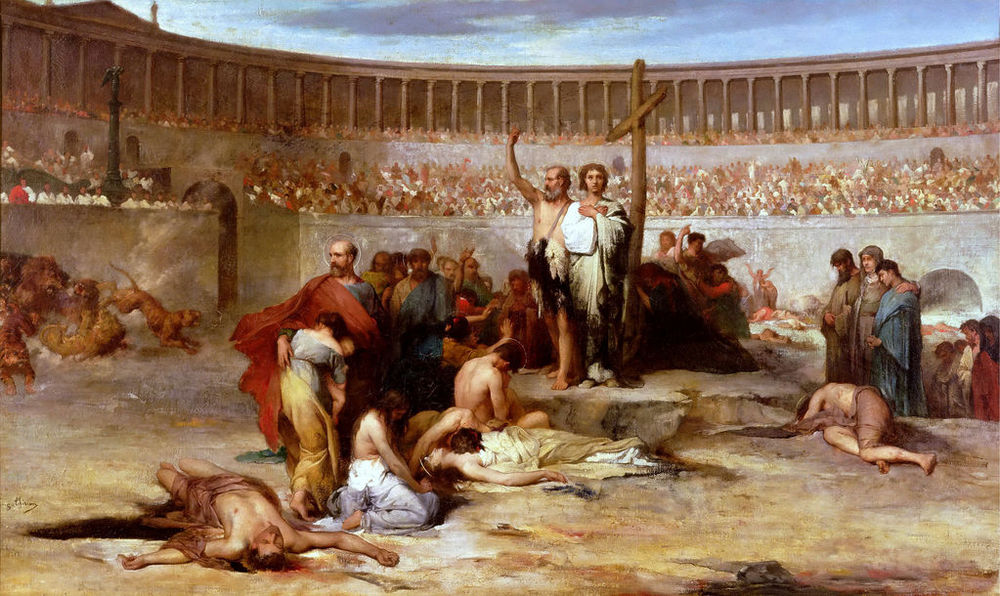
... and perhaps I will see insatiable lions attacking Christian martyrs at a Roman Colosseum. 
http://images.rapgenius.com/c9dbbe517cb807cb7c09f67ebfa81357.1000x596x1.jpg


Maybe, in a stroke of luck, I will find David showing Goliath's lifeless head: http://socialpsychol.files.wordpress.com/2011/09/david_showing_goliaths_head_caravaggio_1605.jpg?w=949


Or perchance I will see this man screaming with indignation because he had been chosen to be the last victim of the nuclear holocaust:
http://lisettewillemsen.files.wordpress.com/2011/09/the-desperate-man.png


Manuel Lasso
.
.
.
.

January 28, 2012

.
.
.
.


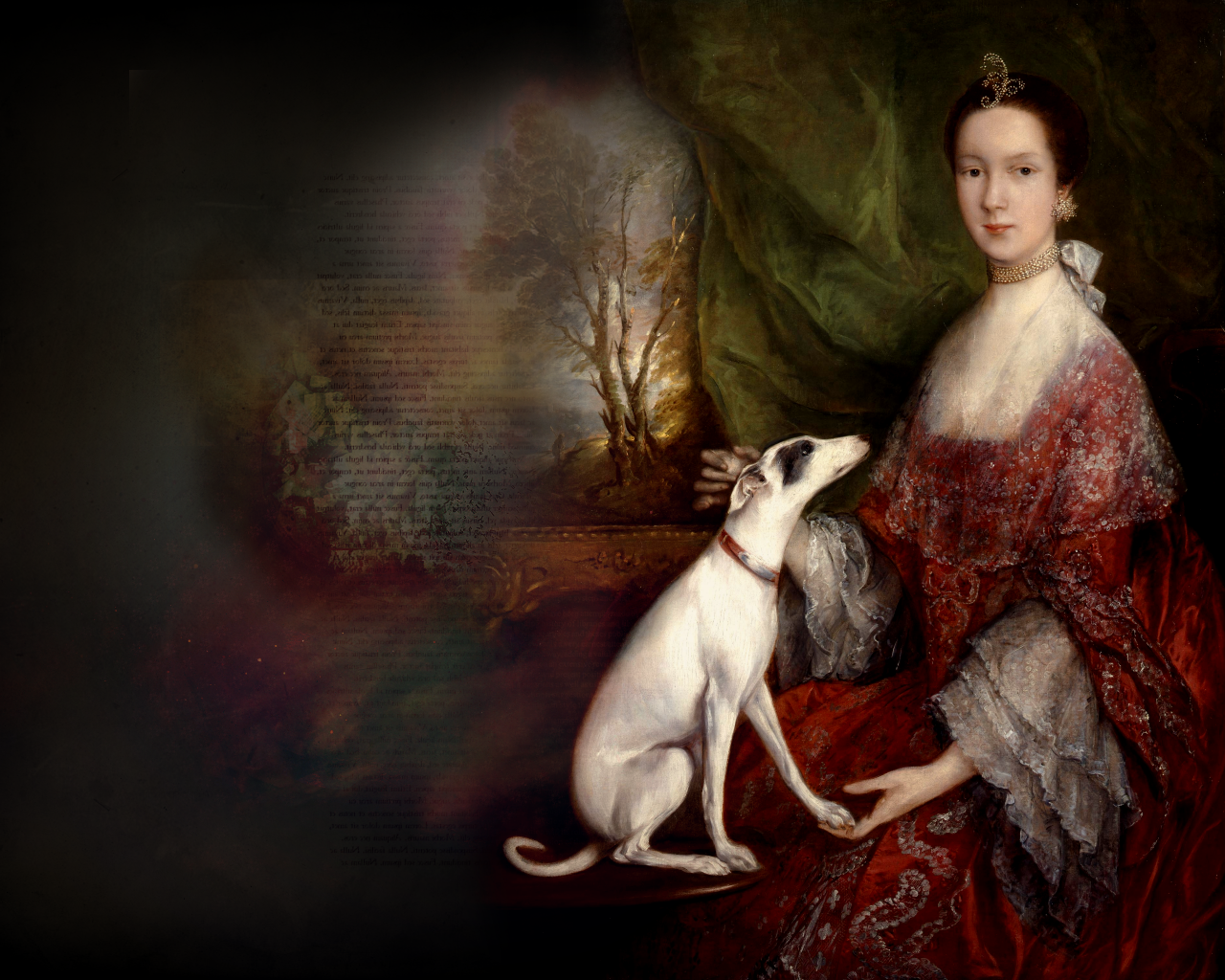
Escribió en Yalta uno de sus cuentos más famosos: Dama con perro faldero.
He wrote in Yalta one of his most famous stories: Lady with a lapdog. http://fc06.deviantart.net/fs41/f/2009/049/2/b/A_Lady_and_her_Dog_wallpaper_by_olde_fashioned.png

En su último día de vida se encontraba con su esposa, Olga Knipper, en los baños termales de Badenweiler.
During the last day of his life he was with his wife, Olga Knipper, in the spa town of Badenweiler.
https://blogger.googleusercontent.com/img/b/R29vZ2xl/AVvXsEjys2d3heDqiN6qMF8Oei1YCZyBXh6CUPkVR2Fojj7ax3Xy3lK0H4qltJ-N6d6kxQZ-SzzTlzFKF5DrUi8RZ1OHm_RSP9VWP4OQKBsmsvurB_hpmZ3MjhmbQh0XaUnAYsyTDP-xtp9qWLDJ/s1600/thermalbath+%25281%2529.jpg


La tuberculosis lo había consumido por muchos años. En el momento final, tuvo un ataque de ansiedad.
He had been suffering from tuberculosis for many years. At the last moment, he had a bout of restlessness.


Su médico alemán lo tranquilizó. "Es is gut. Es ist gut," le dijo y lo inyectó con camfor.
His German doctor calmed him down. "Es ist gut. Es ist gut," he said and injected him with camfor. http://www.medicantica.com/EN/Syringe/Pravaz_Syringe_app/Pravaz_Syringe5.jpg
Luego ordenó traer tres copas de champagne.
Then he ordered three glasses of champagne.

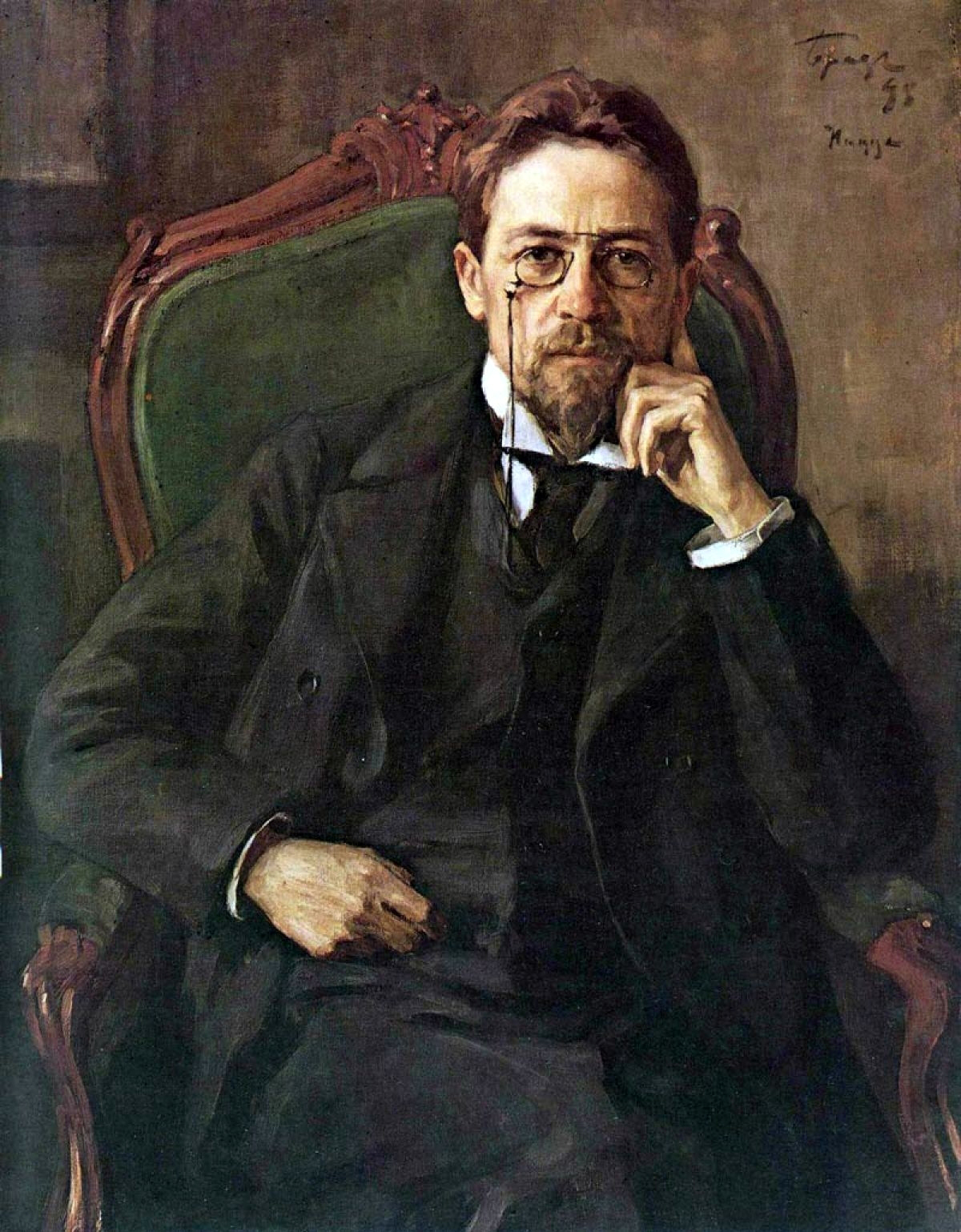
Anton Chejkov terminó de beber su copa y comentó acerca del champagne. Se acostó de lado y quietamente dejó de respirar.
Anton Chejkov finished drinking his glass and commented about the champagne. He leaned on his side and quietly stopped breathing. http://upload.wikimedia.org/wikipedia/commons/e/e9/Chekhov_1898_by_Osip_Braz.jpg


Manuel Lasso

NO NUCLEAR WEAPONS
NO ATOMIC REACTORS
NO RADIOIMMUNOASSAY WASTE
.
.
.
.
.
Highly recommended.
.
.
.
.
.
.
.
.

December 29, 2011

.
.
.
.
CARTA A SARA BEATRIZ GUARDIA
.
Mi querida Sara Beatriz:

          Hoy, después del desayuno, mientras colocaba un plato de loza dentro de la lavadora recordé que los españoles que ocuparon la ciudad de Lima en el siglo XVII también habían usado escudillas similares, probablemente más finas y mejor decoradas, porque durante esa época acostumbraban a traer sus vajillas desde el lejano Oriente. Para tanto y para más daban las encomiendas.

          Pensé que al tocar las fuentes, las tazas y los jarros, ellos habían sentido lo que nosotros percibimos, incluyendo las emociones y pasiones, porque la humanidad fue la misma. Un trago de agua traída por cañerías desde el manantial de Cacahuasi hasta la Caja de Agua de Santo Tomás era idéntico al trago de agua que yo bebí durante mi infancia. Igual tenía que suceder con el sabor de un buen sancochado o un cocido madrileño, con un beso de la mujer amada antes de entrar al ruedo, con la profunda apacibilidad que se siente al recibir el Santo Sacramento, con la ira que despierta una injuria y con la dureza de la empuñadura de la espada al empezar el duelo.

          Pero no quedó ningún testimonio. Porque no se puede dejar una atestación si no se la escribe o se la registra de algún modo. También padecieron el miedo que aparece al estar próximos a la muerte en una cama del hospital de San Andrés, con la respiración estertorosa de la agonía y luego, durante el último instante, cuando se cae en la inconsciencia antes de ser envueltos en una mortaja blanca y ser cargados por la calle por dos ayudantes indios hasta el campo santo de la iglesia de Santa Ana.
          En la época de Santa Rosa y de San Martín de Porres, el cementerio quedaba dentro de la iglesia donde ahora se encuentran las bancas con los reclinatorios. Se alquilaba una sepultura por el lapso de doce meses. Si había dinero los deudos renovaban el alquiler por más tiempo. Cuando ya no podían pagar más los enterradores removían los huesos y preparaban el terreno para recibir a un nuevo difunto. Tal como sucede en el Acto V, escena I de Hamlet, en que los enterradores sacan la calavera de Yorick y el príncipe danés reflexiona sobre la fragilidad de la vida.

          Los más ricos se hacían enterrar alrededor del altar. Hubo un ricachón que tenía unas papadas enormes alrededor del cuello y una pierna vendada todo el tiempo porque sufría de gota, que se vestía como el microscopista Antonie van Leeuwenhoek y que quizo ser enterrado debajo del altar, para estar muy cerca de Dios. Para esto triplicó la suma de la renta anual y puso en la mesa suficiente cantidad de dinero como para que el alquiler durara un siglo. Pero el santo jesuita que hacía las misas se indignó con tal propuesta y ordenó al sacristán y a sus asistentes que lo arrojaran a la calle y lo dejaran tirado a vista y paciencia de todos, muy cerca de lo que es hoy en día la Plaza Italia o Plaza Raymondi, con su vestidura parda y su peluca rubia, larga y ondulada como las que usaban los aristócratas franceses del siglo XVII. Sólo después de las gestiones del Arzobispo de Lima y las recomendaciones del Virrey se ordenó al noble religioso que permitiese un enterramiento que estuviese lo más cerca posible del altar, distancia que fue medida con la cinta métrica de un sastre andaluz. La suma ofrecida pasó a los cofres reales. De esa manera el sacristán y sus ayudantes tuvieron que recoger al pesado occiso y rescatarlo de unos gallinazos, de cuello y cabezas negras, que habían abandonado la cúpula de la iglesia y que muy emocionados, abriendo las alas, saltaban a su alrededor con unas ganas de devorarlo de cuerpo entero y lo enterraron en el lugar indicado.

          Durante esa época ingresar a la iglesia para escuchar la Santa Misa, era como entrar a un lugar de pesadillas de los tiempos de Mary Shelley o como meter el pie en el Infierno del Dante, porque habían ceras encendidas y flores secas de los pobres difuntos enterrados por todos lados. Y así, de pie, entre el olor de los sahumerios y los recuerdos de los difuntos había que escuchar la Santa Misa, tratando de no pisar sobre las sepulturas de los que ya habían partido al otro mundo. A los clérigos les gustaba este escenario porque les servía para hacer recordar a la cariacontecida y atemorizada feligresía que la visita a este mundo terrenal era precaria y temporal y que después del venerable sacerdote sólo se encontraba Dios y nadie más que Dios.


          Con un gran abrazo
          Manuel

.
.
LETTER TO SARA BEATRIZ GUARDIA
.
Dear Sara Beatriz:

          Today, after breakfast, while placing the stoneware dishes inside the washing machine I realized that the Spaniards who lived in the city of Lima in the XVII century used similar plates, but probably finer and better decorated, because during those times they used to bring them from the Far East. The encomiendas provided for it and for more than that.
.
          I thought that when they touched those cups and jugs, they had to feel the same. They had to notice what we perceive, including the emotions and passions, because humanity was alike. The water brought from the Cacahuasi springs to the Water Deposit of Santo Tomas had to be identical to the water I drank during my childhood. The same had to happen with the taste of the sancochado or the cocido madrileño, with the kiss of the beloved woman, with the deep peacefulness felt while receiving the Holy Sacrament, with the wrath raised by an insult and with the hardness of the sword handle before the beginning of a duel.
.
          But no testimony had been left about this. Because no attestation can be passed to posterity if it has not been written or registered in some way. They also were aware of the fear that rises when one is dying on a San Andres hospital bed , with the stertorous breathing of the agony and when one plunges into unconsciousness before being wrapped in a white shroud and carried away by two Indian assistants to the cemetery of the Santa Ana Church.
.
          During the times of Saint Rose of Lima and Saint Martin de Porres, graveyards were located within the church grounds, where the pews are placed now. A sepulcher was rented for twelve months. If there was enough money the relatives could renew the rent for a longer period of time. When they could not pay anymore, the grave makers removed the bones and prepared the earth to receive a new deceased. As it happens in the Act V, Scene I of Hamlet, when the gravediggers disinter Yorick's skull and the Danish prince reflects over the fragility of life.
.
          The rich had themselves buried around the altar. There was an affluent citizen, with a monstrous double-chin and a bandaged leg because he suffered from gout, majestically dressed like the microscopist Antonie van Leeuwenhoek, who wanted to be entombed underneath the altar. To accomplish this, he tripled the sum of the annual rent and put on the table sufficient amount of money for a century lease. But the holy Jesuit, who said the dominical Mass, felt slighted with such a proposal and furiously ordered the altar boy and his assistants to throw him onto the street and leave him there until he would rot, very near to Plaza Italia or Plaza Raymondi, with his brown coat and his blond, long and wavy wig, like the ones used by the French aristocrats of the XVII century. Through the efforts of the Archbishop of Lima and the considerations of the Viceroy, the noble clergyman allowed an interment that was the closest to the altar, with a distance quantified by the measuring tape of an Andalusian tailor. The offered money went into the royal coffers. In that way the altar boy and his assistants lifted the heavy body of the rich merchant and rescued it from the gallinazos which, with their featherless black heads and necks, had descended from the dome of the church and very enthusiastically, opening their wings, were jumping around with the sincere desire of devouring the whole body in one single bite.
.
          During that epoch entering the church to attend the holy Mass, was like setting foot in a nightmarish place from the times of Mary Shelley or coming into the Hell of Dante, because there were lighted candles and dry flowers left for the interred people all over the place. Thus, standing up, among the scent of the sahumerios and the memories of the ones who had gone belly up, the parishioners had to listen to the religious services, trying not to step on the graves of the departed. The ecclesiastics liked this scenario because it helped them in reminding the churchgoers that the visit to this world was only temporary and that after the priest there was only one God and nothing else but one God.
.
          Wishing you the best,
.
          Manuel


December 25, 2011

. . . . .
"Lo único incambiable que conozco es que todo tiempo presente es cambiable. No existe tiempo presente que mañana no será diferente."

. .
"The only unchangeable fact that I know is that all present time is changeable.
There is no present time that will not be different tomorrow. "
 
Manuel Lasso 
from Lima-Peru
.
.

July 25, 2011

.
.
.
.
.


FROM THE FRAM, NORWAY,


.
IN HER DARKEST HOUR

.


From: cecilie.landsverk@mfa.no
To: PRVASQ131195@aol.com (Manuel Lasso)
Sent: 7/25/2011 3:13:15 A.M. Central Daylight Time
Subj: FW: Condolences

Dear Sir,
On behalf of the Norwegian people, I would like to thank you warmly for your expressed support regarding the terrible crimes in Oslo and on Utøya on Friday 22 July. At the Norwegian Embassy in Ankara we are most grateful and moved by all the condolences and warm messages received. I can assure you that all of them will be conveyed to Oslo and the Norwegian people.

Norway finds itself in deep grief after the attack on innocent young people and the attack our democracy. We are deeply shocked by the scale of this National catastrophe and we mourn the loss of so many lives.

The Norwegian Foreign minister, Mr. Jonas Gahr Støre, has expressed that politically motivated violence is a threat to our society, however, we cannot accept that this attack will ruins us. Our values and what we believe in will continue to be the backbone of our society. The Minister has said that tomorrow’s Norway will be recognizable, - nobody shall be able to dismantle our values and our democracy.

Please find the link to Prime Minister, Mr. Jens Stoltenberg’s speech at the memorial ceremony in Oslo Cathedral on Sunday, 24 July.
http://www.regjeringen.no/nb/dep/smk/aktuelt/taler_og_artikler/statsministeren/statsminister_jens_stoltenberg/2011/tale-ved-statsminister-jens-stoltenberg-.html?id=651789

Regards,

Cecilie Landsverk
Ambassador

.


.
Speech by Prime Minister Jens Stoltenberg in Oslo Cathedral

Deres Majesties,
Akjære all together, it is now nearly two days since Norway was hit by the greatest atrocity since the war. At Utøya and at Oslo. It feels like an eternity. There have been hours, days and nights filled with shock, despair, anger and tears. Today it is time for sorrow.On these days we should allow ourselves to stop it. Honor the dead.
92 human lives are lost. Several are still missing. Any and all of those who have passed away is a tragedy. Taken together, the loss is a national tragedy. We are striving to comprehend the scope. All of us knew someone who is gone. Even more know of any. One of them was Monica. For 20 years, she worked at Utøya. For many of us, she was Utøya. Now she is dead. Shot and killed while she watched for the care and safety of young people from across the country. Her husband John and daughters Victoria and Helene are in Drammen church today. This is so unfair. Please know that we weep with you. Others are gone, Tore Eikeland. Leader of AUF in Bergen and one of our most talented young politicians. We remember that he got all the national congress of the Labour Party to cheer when he was a dedicated post on the EU postal directive, and won. Now he's dead. Gone forever. It is not understandable. These are two of those we have lost. We have lost many others, in the Utøya and government building. It did not tarnish our name and image at all. When the extent of the evil emerge in all its horror. There will be a new trial. We will manage it well. Despite all this tragedy, I am proud to live in a country that has managed to rise at a critical time. Everyone is impressed with how much dignity, care and strength we have met this tragedy. We are a small country but we are a proud people. We are still shaken by what hit us, but we never give up our values. The answer is more democracy, more openness and more humanity. But never naivety. No one could have said it nicer than the AUF girl who was interviewed by CNN: "If one man can see so much hate, think how much love we can all see together." To end, let me say to the families across the country who have lost a loved one: Receive my and all of Norway's deepest sympathy in your grief. Just that. The whole world is with you. I have promised to convey condolences to you from Barack Obama, Vladimir Putin, Frederik Reinfeldt, Angela Merkel, Nothing can never replace the loss. Nothing can bring the loved ones back. Certainly we need support and consolation when life is at its darkest moment. Life is at its darkest hour for you now. Let it be know that we are there for you.
.


Manuel Lasso


.
.
.

  La Verónica viene el viernes Manuel Lasso   martes 28 de octubre de 2025 ¡Comparte esto en tus redes sociales! Facebook X LinkedIn Threads...